
Target Out of Focus Simulation Module#
Optical defocus occurs when the sensor’s focus plane does not align with the target distance, causing blur that reduces image sharpness and detail. This can result from autofocus failures, manual focus errors, rapid target movement, or fixed-focus systems operating outside their optimal range. Defocus degrades detection performance by reducing edge contrast and obscuring fine features.
From an ML T&E perspective, defocus matters because it introduces a form of resolution loss that many models trained on sharp imagery are not robust to. Unlike motion blur, which is directional, defocus blur is radially symmetric and uniformly affects all details at the target distance. This makes it a distinct degradation mode that should be tested separately.
NRTK’s DefocusPerturber models optical defocus using the Optical Transfer Function (OTF)
to simulate the characteristic blur pattern of an out-of-focus optical system. This provides
a physics-based approach to testing model sensitivity to focus errors during robustness
screening.
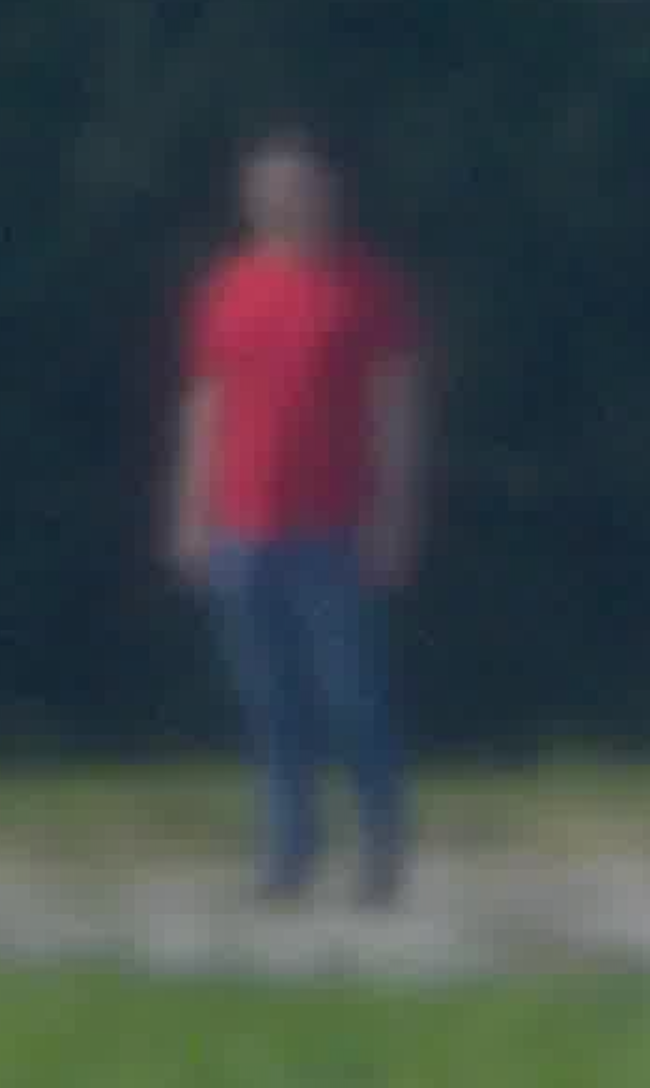
Defocus Perturbation#
Simulates optical defocus effects so you can test how well a model handles blur from incorrect focus settings or autofocus failures.
Use This When…#
You want to simulate focus errors in imagery from optical systems.
You need a physics-based perturbation that models realistic defocus blur.
You’re doing early screening of robustness to focus-related degradation.
You want to test model performance when targets are at unexpected distances.
Minimal Code Example#
from nrtk.impls.perturb_image.optical.otf import DefocusPerturber

perturber = DefocusPerturber(
    w_x=5.0e-6,  # blur spot radius in x direction (m)
    w_y=5.0e-6,  # blur spot radius in y direction (m)
)
perturbed_img, boxes = perturber(image=img_in, boxes=boxes, img_gsd=0.03)
Key Parameters#
w_x/w_y- The 1/e blur spot radii in x and y directions (meters). These control the amount of defocus blur applied to the image. Higher values produce more blur.Light (2.0e-4)
Medium (5.0e-4)
Heavy (1.0e-3)
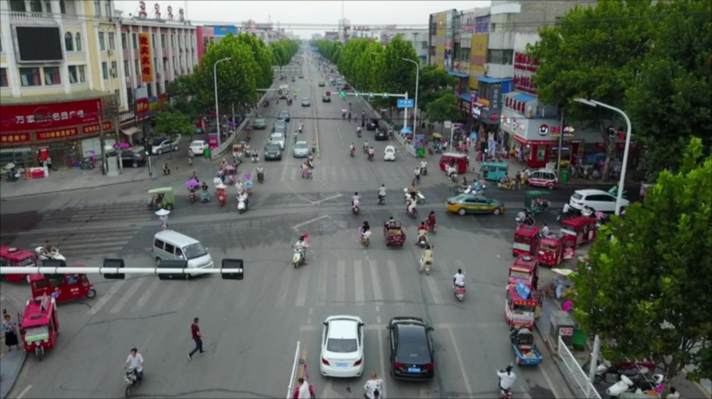
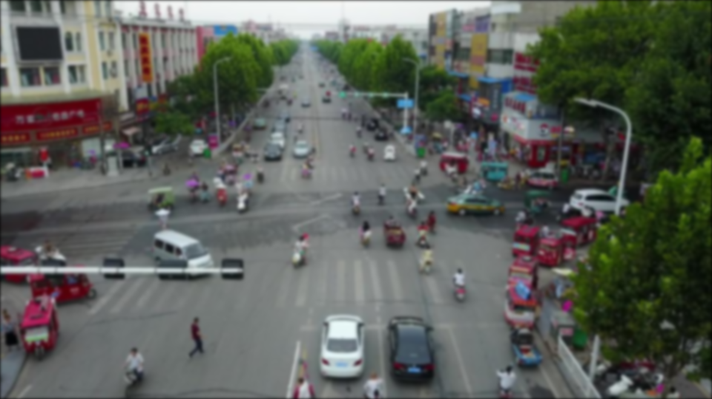
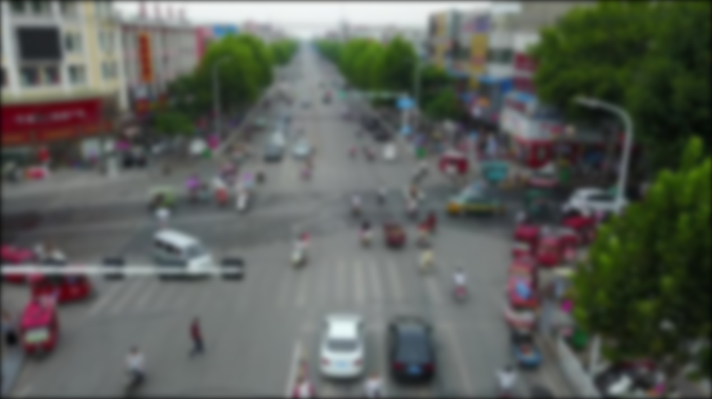
Advanced Parameters (defaults work for most cases):
interp- Whether to interpolate atmosphere data - Default: True.Sensor and scenario parameters can be passed via
kwargsto customize the optical system being simulated.
Limitations and Next Steps#
API Reference:
DefocusPerturberModels uniform defocus across the image; does not simulate depth-dependent focus effects or bokeh patterns from specific aperture shapes.
Requires
img_gsdparameter when callingperturb()to properly scale effects.Requires optional dependencies: install via
pip install nrtk[pybsm].See Validation and Trust for cross-perturber validation status.
Related Risks: Atmospheric Turbulence, Sensor Noise