
Operational Risk Factors in Computer Vision#
Operational risk factors in computer vision refer to real-world conditions and system-level variables that can degrade the performance of vision algorithms once deployed. These risks can stem from environmental conditions, sensor limitations, data mismatches, or system integration challenges.
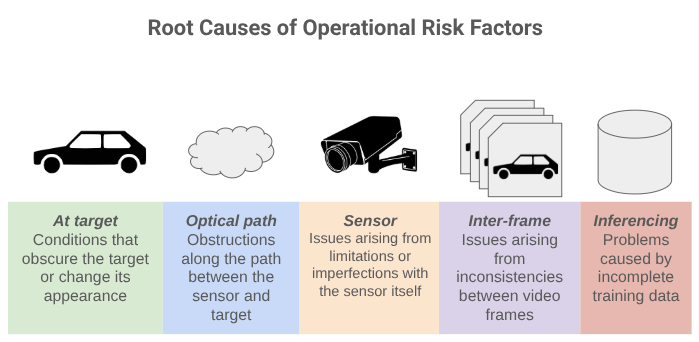
Note
Some operational risks arise from system-level input issues (such as metadata mismatches, labeling errors, or other integration defects) that do not fall directly under the five root-cause categories shown in the figure above.
The following table provides a summary of risk factors. Where applicable, a T&E guide providing a detailed example is listed as well as functionality from NRTK that can be used to simulate the operational risk.
Some of these perturbation functions are not implemented in NRTK directly but can be simulated using the
AlbumentationsPerturber
which provides a wrapper around functionality of the Albumentations library.
The Apply Albumentations Perturbations notebook shows how to use
Albumentations with NRTK.
Warning
Albumentations is a third-party library wrapped by NRTK. Its perturbation behavior and outputs are controlled by that library, not by NRTK. Use it at your own risk – NRTK does not guarantee, and is not responsible for, the behavior of Albumentations transforms.
Some of the risk factors listed don’t have any associated functionality or documentation in NRTK but may be covered in the future.
Interactive Risk Matrix#
Operational Risk |
NRTK Perturbation(s) |
Key Parameters |
Severity |
dropdown |
|---|---|---|---|---|
Brightness |
factor |
low |
Photometric |
|
Jitter |
s_x, s_y (jitter amplitudes) |
high |
Optical |
|
WaterDroplet |
size_range, num_drops |
high |
Environment |
|
Haze |
factor, depth_map |
high |
Environment |
|
Scikit-image |
seed, amount |
low |
Optical |
|
RadialDistortion |
k (distortion coefficients) |
low |
Optical |
|
pyBSM |
f, D, p (in sensor) |
low |
Optical |
|
Defocus |
w_x, w_y (strength) |
low |
Optical |
|
TurbulenceAperture |
altitude, D, int_time |
high |
Optical |
Photometric Risk Factors#
Lighting and imaging conditions that reduce image quality
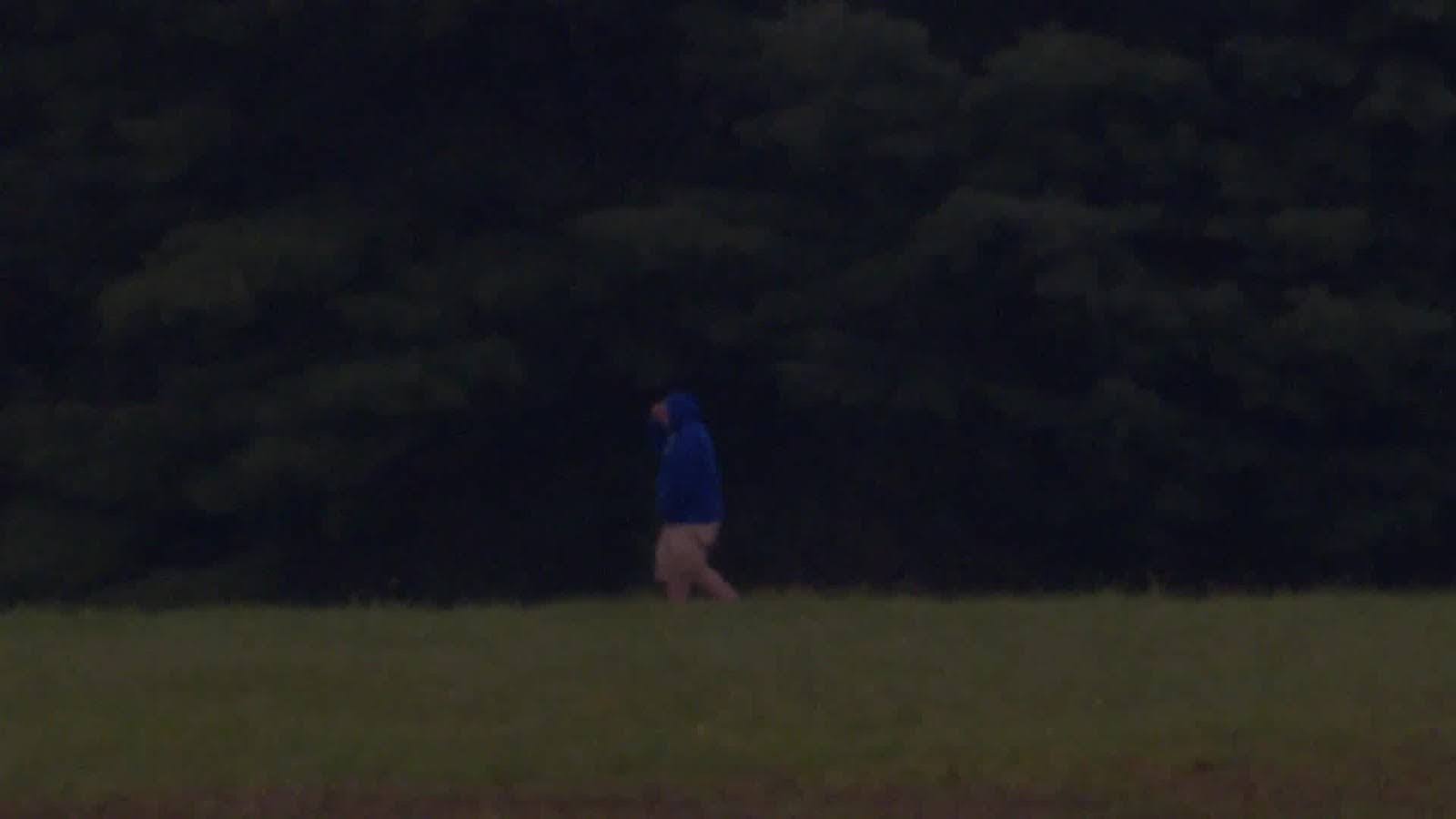
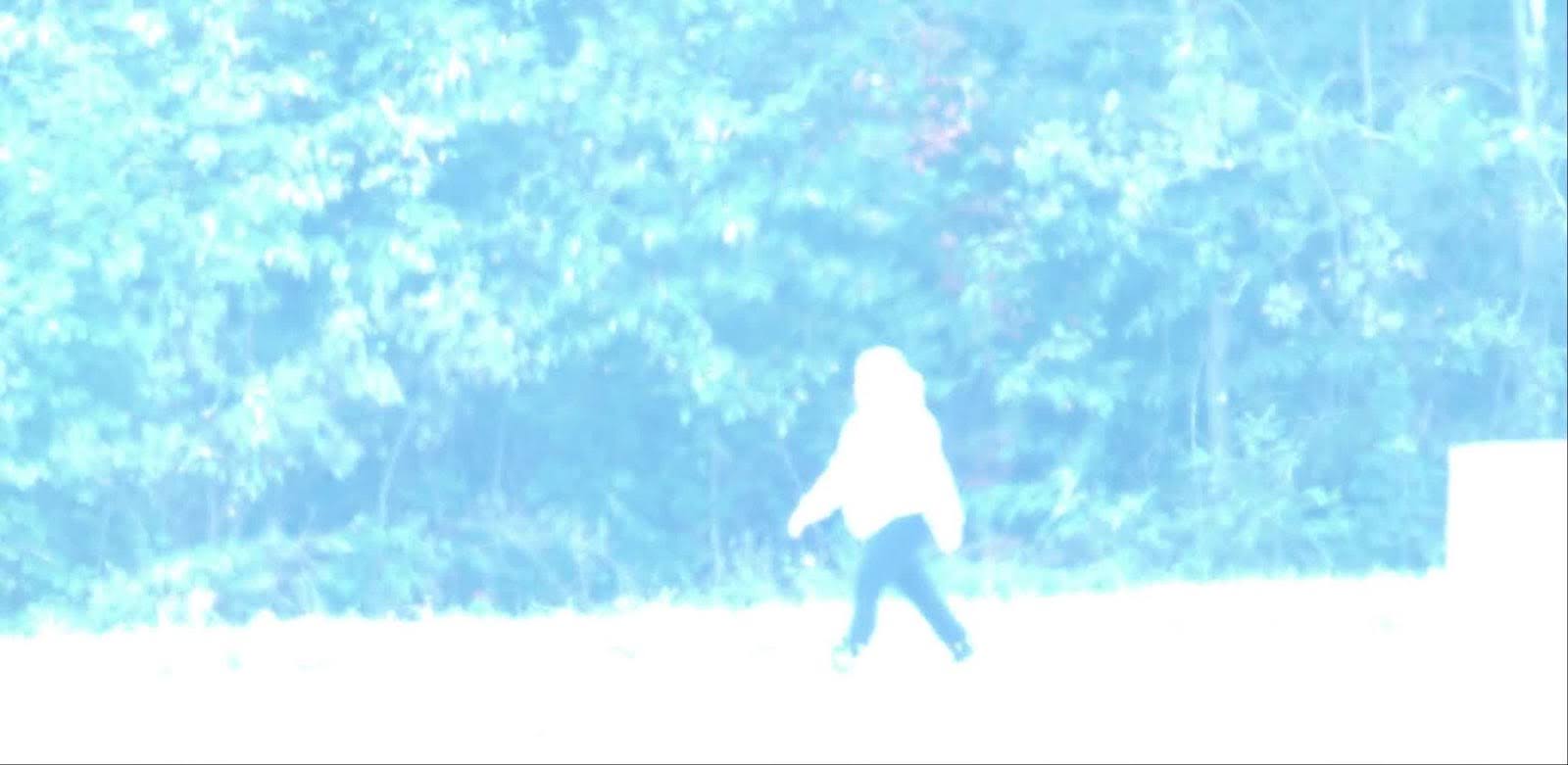
Extreme (Low / High) Illumination#
Lighting conditions and camera settings result in excessive or insufficient illumination.
Impact |
Image has low contrast or dynamic range, reducing usefulness. |
Root Cause |
Target |
Affected Domains |
All |
NRTK Perturbation |
|
Learn More |
Shadows#
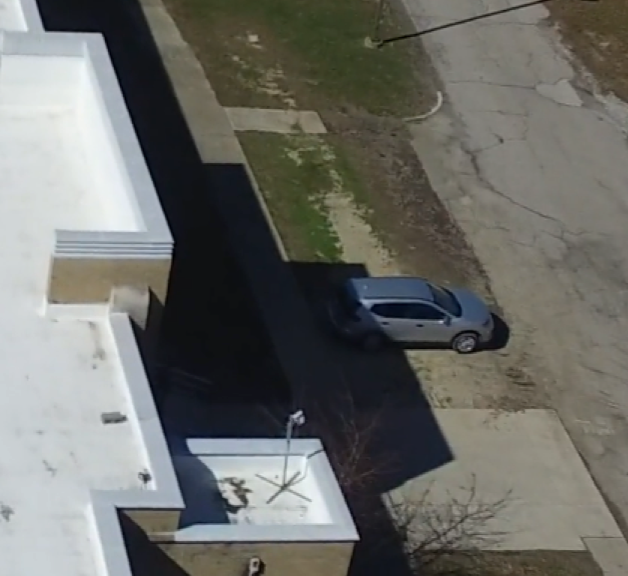
Strong shadows are cast in the target area due to direct illumination.
Impact |
Features of interest in shadows may be undetectable. |
Root Cause |
Target |
Affected Domains |
All |
mevadata.org#
Glint / Glare#
Bright reflections due to lighting, target materials, or angles.
Impact |
Can obscure targets and skew autoexposure or detection. |
Root Cause |
Target |
Affected Domains |
All |
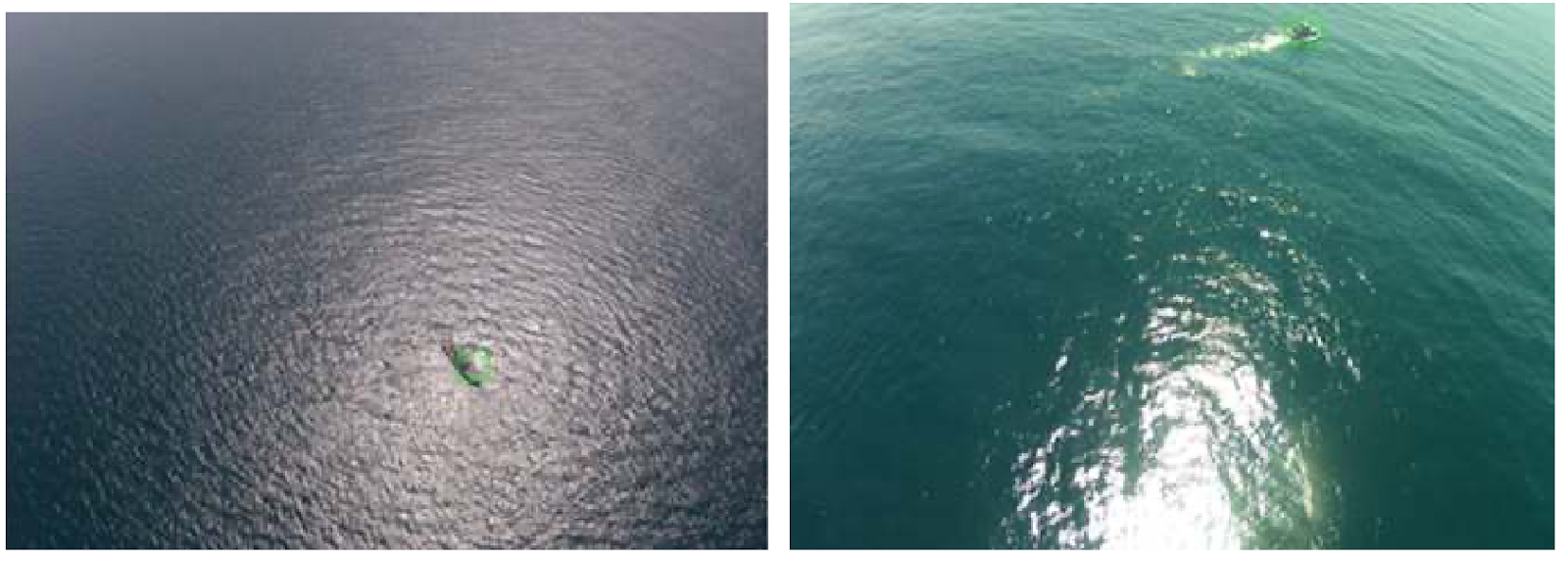
“A data set for airborne maritime surveillance environments”, Ribeiro et al., IEEE Trans. Circuits & Systems for Video Technology, 2017#
Night Mode / Low-Light Behavior#
In low light, camera may switch to monochrome or a different capture mode.
Impact |
Color data lost; resolution may be reduced slightly. |
Root Cause |
Sensor |
Affected Domains |
Ground, Sea |
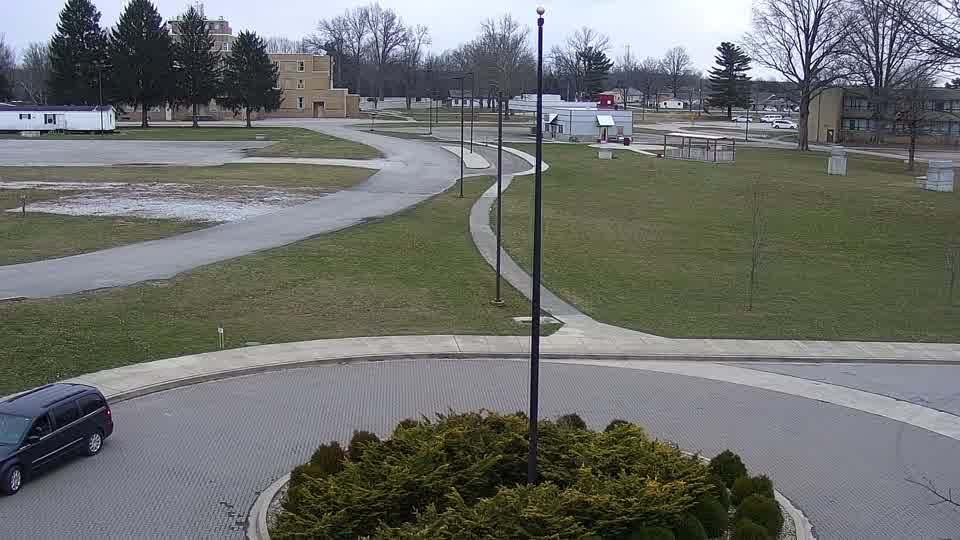
mevadata.org#
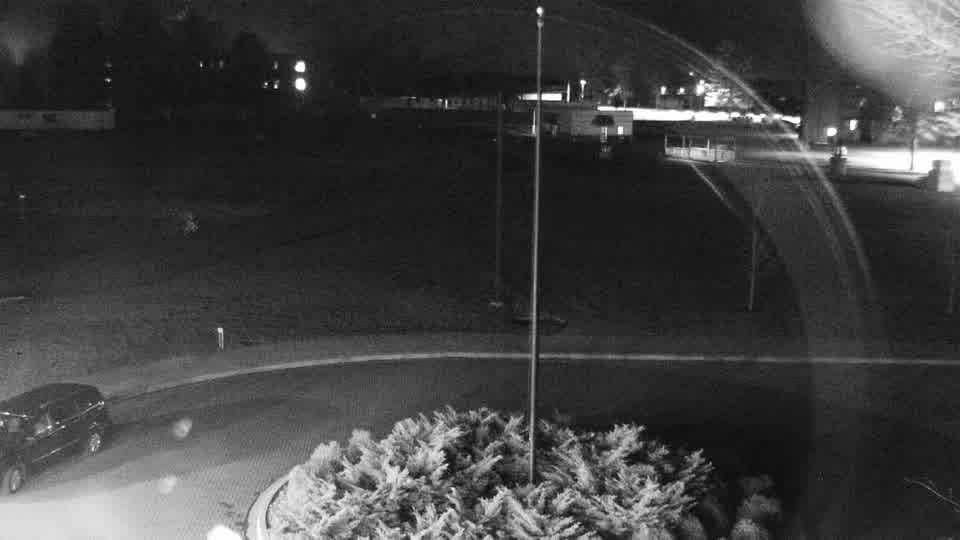
mevadata.org#
Geometric Risk Factors#
Spatial or perspective conditions that distort or obscure objects
Look Angle Different from Training Data#
Operational viewpoint differs from viewpoints in training data.
Impact |
Model performance degrades due to lack of viewpoint coverage. |
Root Cause |
Inferencing |
Affected Domains |
UAV, WAMI, Satellite |
No sample available.
Environment Risk Factors#
External conditions that interfere with sensing or imaging
Mist / Fog / Snow / Etc#
Reduced visibility conditions such as fog, mist, or blowing snow decrease contrast and obscure scene details. These effects commonly degrade computer-vision performance in outdoor environments by making targets harder to distinguish from the background.
Impact of Risk Factor |
Lower contrast and partial occlusion of features. |
Root Cause |
Optical Path |
Affected Domains |
Ground, Sea |
NRTK Perturbation |
|
Learn More |
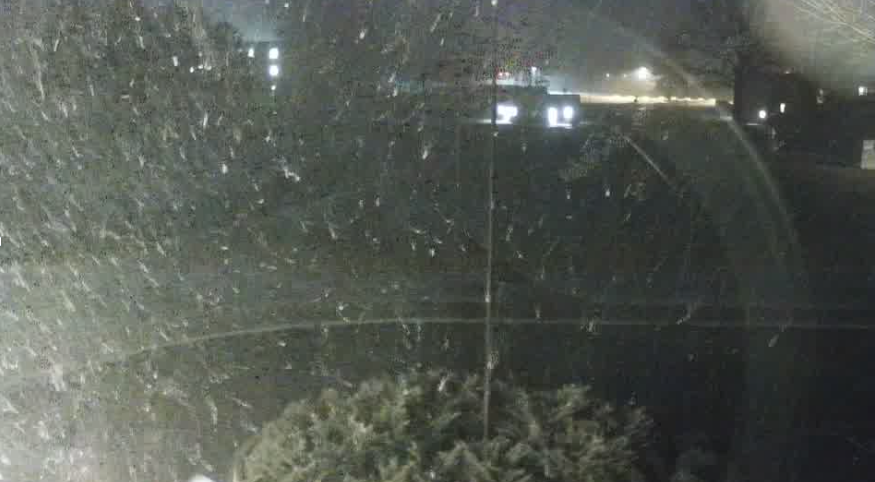
Source: mevadata.org#
Water Droplets on Lens#
Water droplets create localized refraction patterns that distort image regions, making targets harder to detect and track. These effects are particularly problematic in outdoor and maritime environments where lens contamination is common.
Impact |
Obscured or out-of-focus image regions; specularities may confuse algorithms. |
Root Cause |
Sensor |
Affected Domains |
Ground, Sea |
NRTK Perturbation |
|
Learn More |
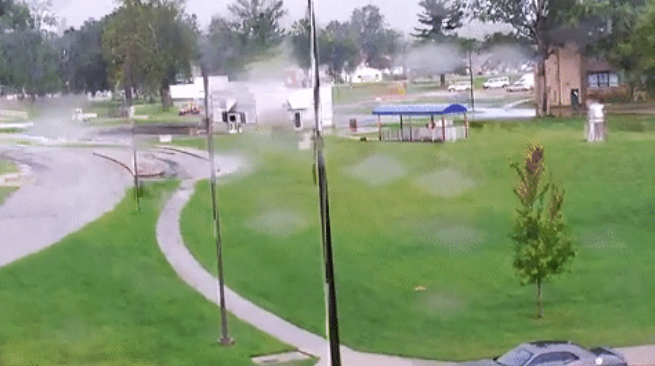
mevadata.org#
Dirt / Specularities on Lens#
Obstructions or smudges on the lens surface can block parts of the scene or create bright reflective artifacts, especially in infrared (IR) imaging or Pan-Tilt-Zoom (PTZ) dome cameras.
Impact |
Obscured or out-of-focus image regions; specularities may confuse algorithms. |
Root Cause |
Sensor |
Affected Domains |
Ground, Sea |
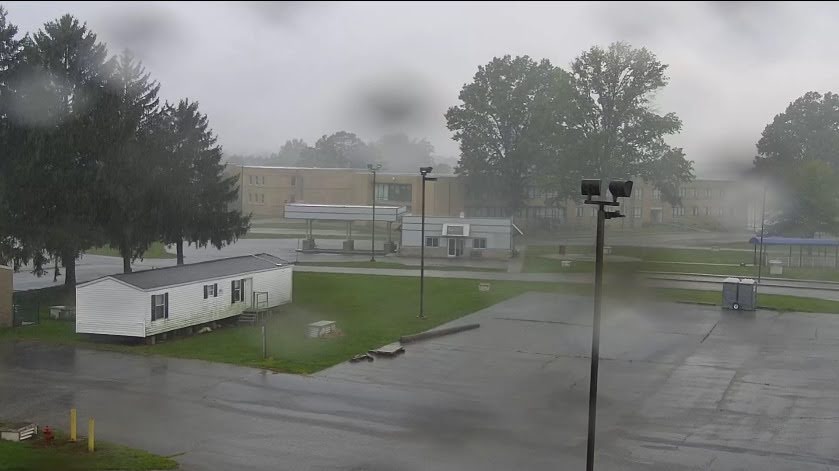
Source: mevadata.org#
Clouds#
Clouds obscure targets, and may be transient or unpredictable.
Impact |
Targets not visible or have reduced contrast. |
Root Cause |
Optic Path |
Affected Domains |
UAV, WAMI, Satellite |
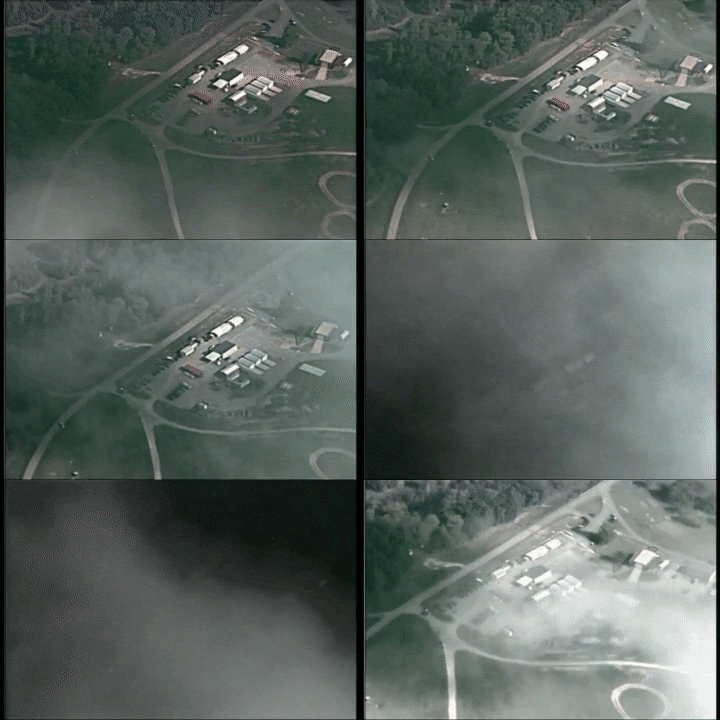
viratdata.org#
Optical Risk Factors#
Limitations or distortions of the imaging system itself
High-Frequency Vibration#
Vibrations in the sensor platform (e.g. from wind) induce jitter and blurring.
Impact |
Reduced effective resolution, frame-to-frame tracking performance. |
Root Cause |
Sensor |
Affected Domains |
Ground, Sea |
NRTK Perturbation |
|
Learn More |
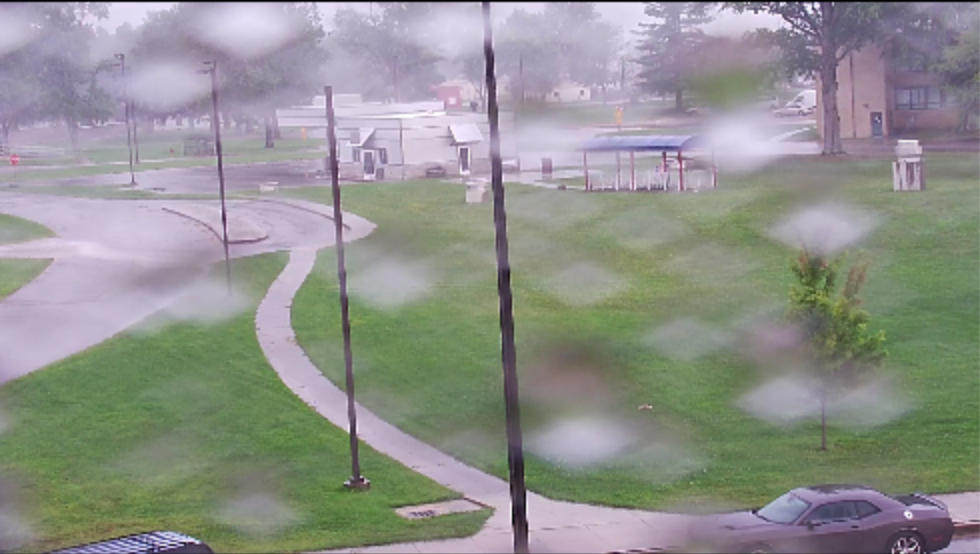
mevadata.org#
Target Out of Focus#
Target is out of focus (due to sensor optics settings, rather than atmospheric / environmental issues.)
Impact |
Model may underperform in proportion to loss of resolution with respect to training data. |
Root Cause |
Sensor |
Affected Domains |
Ground, Sea |
NRTK Perturbation |
|
Learn More |
mevadata.org#
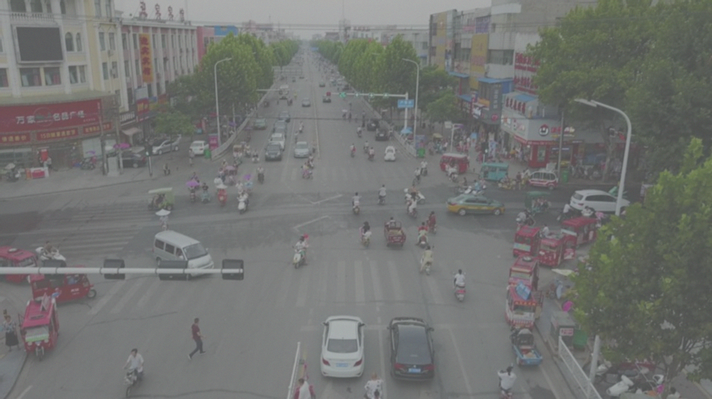
Sensor Noise#
The sensor data exhibits noise as a result of poor lighting, high ISO settings, or overheating.
Impact |
Model may underperform in proportion to density of noise in image data. |
Root Cause |
Sensor |
Affected Domains |
Ground, Sea |
NRTK Perturbation |
|
Learn More |
Atmospheric Turbulence#
Localized distortion due to atmospheric conditions.
Impact |
Object detection or tracking may degrade. |
Root Cause |
Optic Path |
Affected Domains |
Ground, Sea, UAV |
NRTK Perturbation |
|
Learn More |

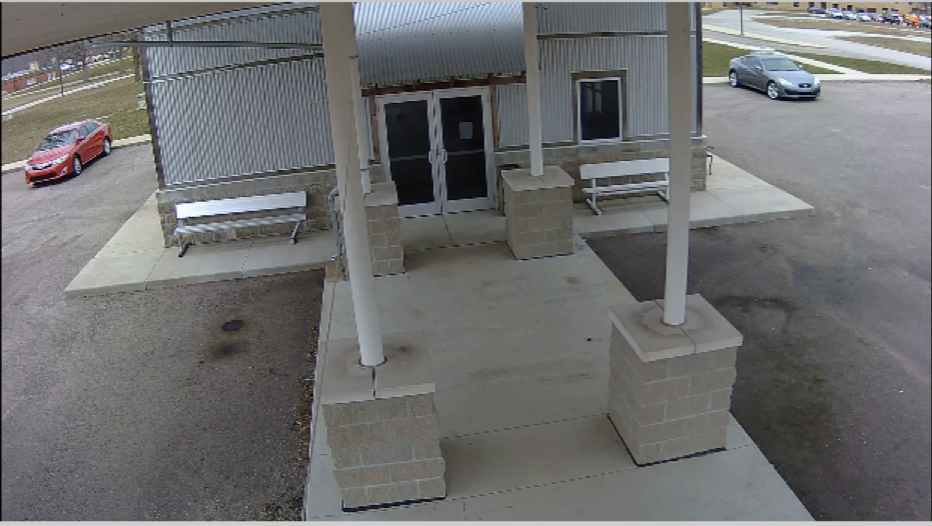
Radial Distortion / Fisheye Artifacts#
Wide-angle lenses cause distortion at the image periphery.
Impact |
Alters appearance and trajectory of objects. |
Root Cause |
Sensor |
Affected Domains |
Ground, Sea |
NRTK Perturbation |
|
Learn More |
mevadata.org#
Data Integrity Risk Factors#
Compromises in accuracy, consistentency, or completeness of data
Metadata Incorrect#
Metadata stream is out of sync or contains incorrect values.
Impact |
Algorithms may use incorrect models or misinterpret data. |
Root Cause |
Labeling / Operating input |
Affected Domains |
All |
No sample available.
Burned-in Metadata#
Metadata is overlaid directly on pixels instead of provided separately.
Impact |
Obscures target pixels and confuses detection or stabilization algorithms. |
Root Cause |
Sensor |
Affected Domains |
All |
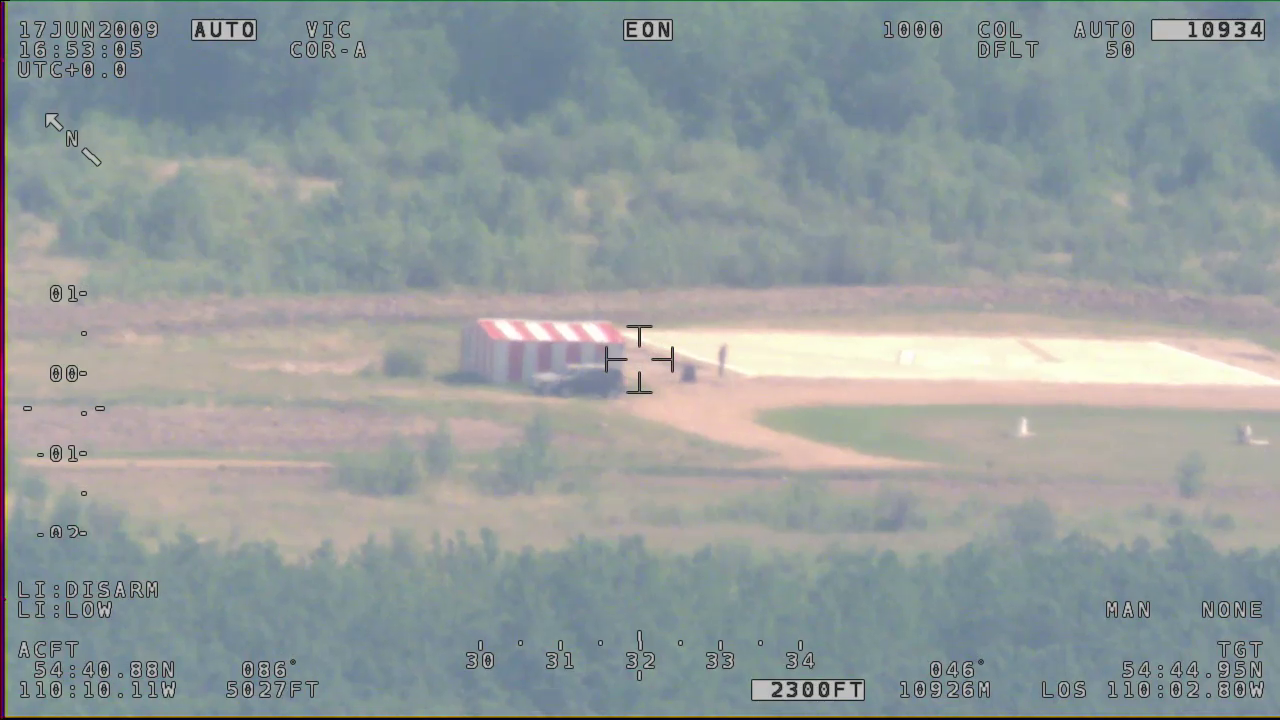
Example UAV frame from FFMPEG project#
Video Codec Artifacts#
Compression errors from overloaded camera processors or poor settings.
Impact |
Visual glitches such as smearing or pixel corruption. |
Root Cause |
Inter-frame |
Affected Domains |
Ground, Sea, UAV |
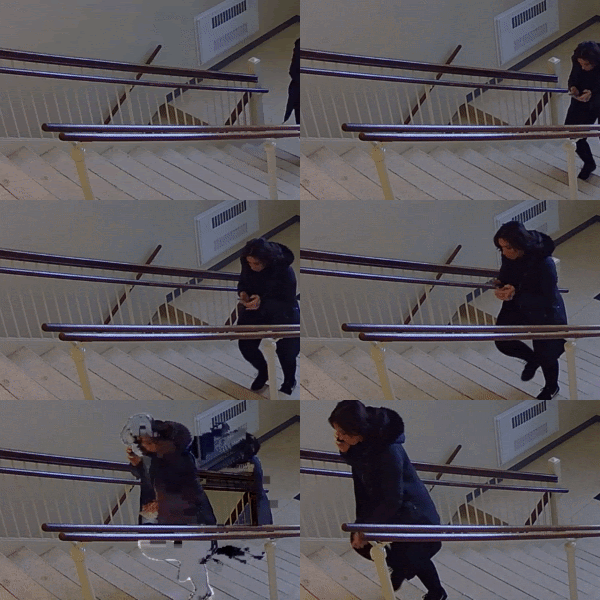
mevadata.org#
Video Feed Failures#
Hardware or transmission issues interrupt video feed.
Impact |
Causes disruption of object tracking or pipeline shutdown. |
Root Cause |
Inter-frame |
Affected Domains |
Ground, Sea, UAV |

Camera overheating, doers-brc@kitware.com#
Unstable Frame Rates#
Feed is encoded at inconsistent rates, often due to overload.
Impact |
May drop or duplicate frames, confusing motion-based algorithms. |
Root Cause |
Inter-frame |
Affected Domains |
Ground, Sea, UAV |
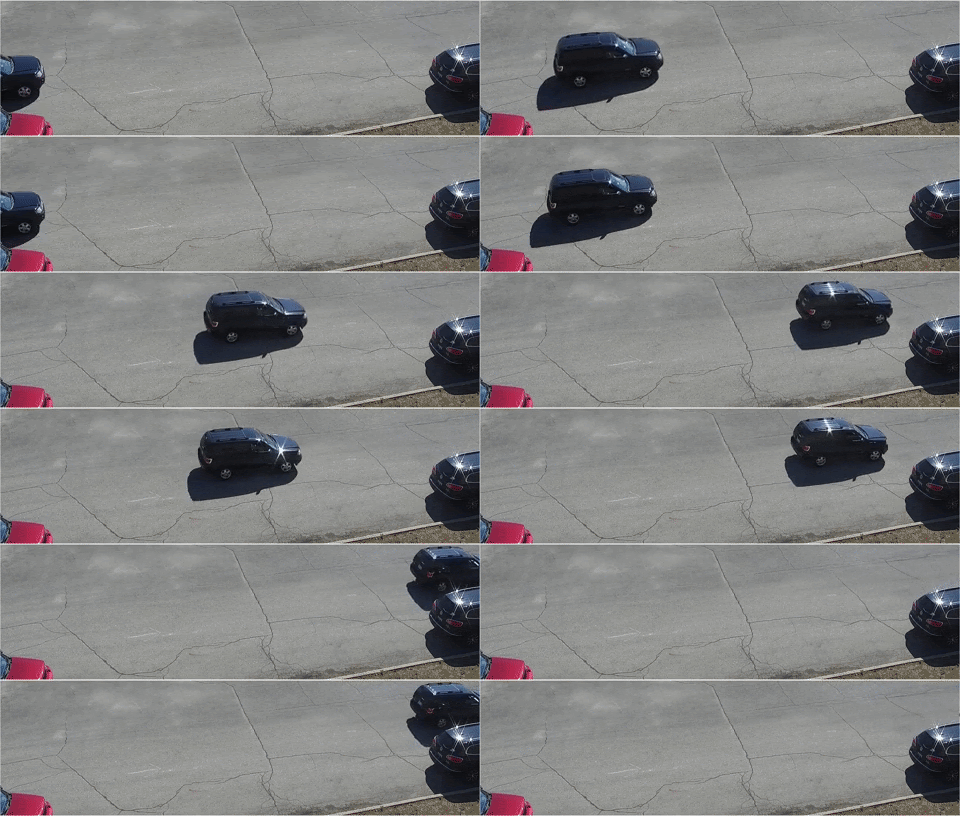
mevadata.org#
Shot Boundary#
Sudden camera motion creates a new view, invalidating prior context.
Impact |
Detectors and trackers need to restart. |
Root Cause |
Inter-frame |
Affected Domains |
Ground, Sea |
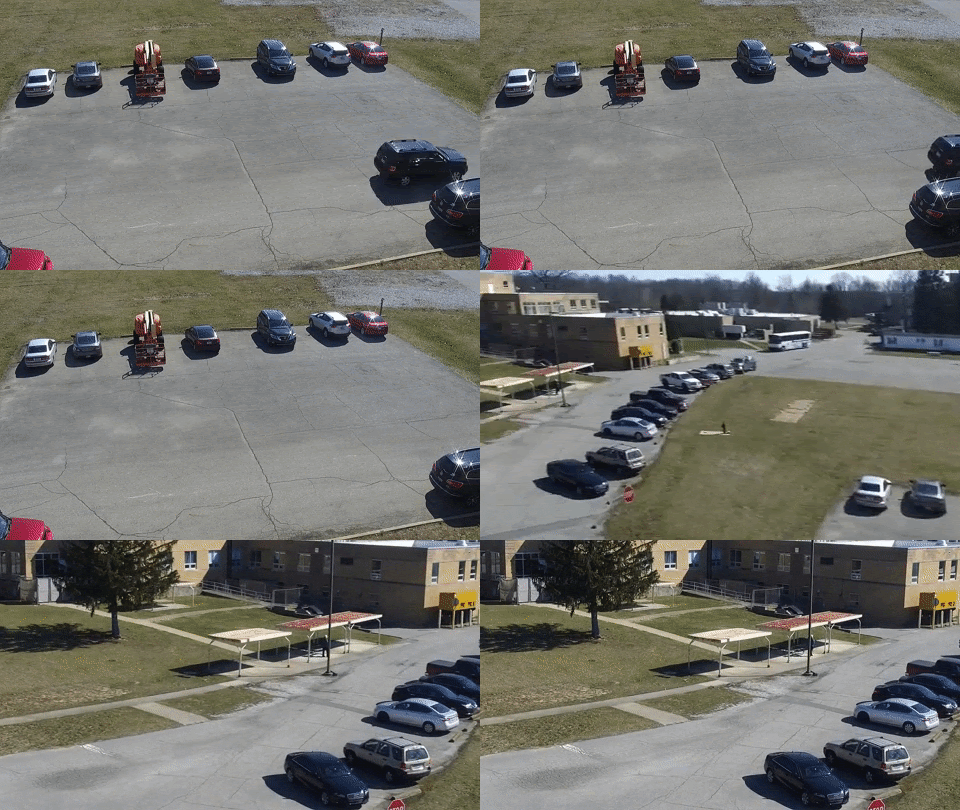
mevadata.org#