
Extreme Illumination Simulation Module#
Extreme lighting conditions, from harsh sunlight to deep shadows or nighttime operation, can cause images to be overexposed, underexposed, or lacking in contrast. These effects lead to missed detections, reduced confidence scores, and degraded feature extraction, particularly for targets with limited texture or low dynamic range. Because many computer vision models are trained on well-lit, balanced imagery, extreme illumination represents a common source of performance degradation in outdoor and uncontrolled environments.
From an ML T&E perspective, extreme illumination matters because it introduces a form of domain shift: the scene’s pixel intensity distribution changes in ways the model has not learned to generalize to. This makes the risk both frequent in real operations (dawn, dusk, bright midday) and highly impactful to detection and classification performance.
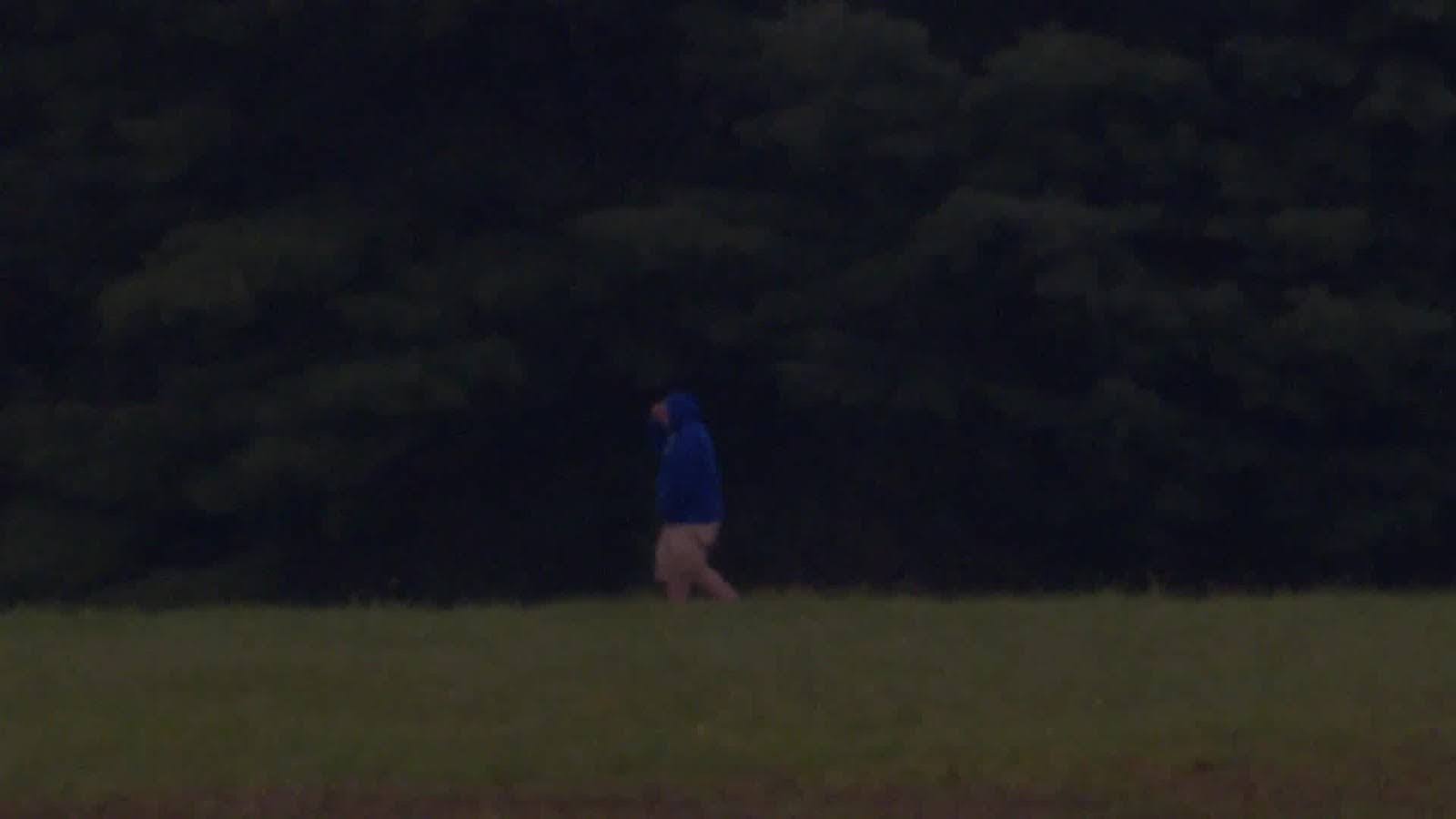
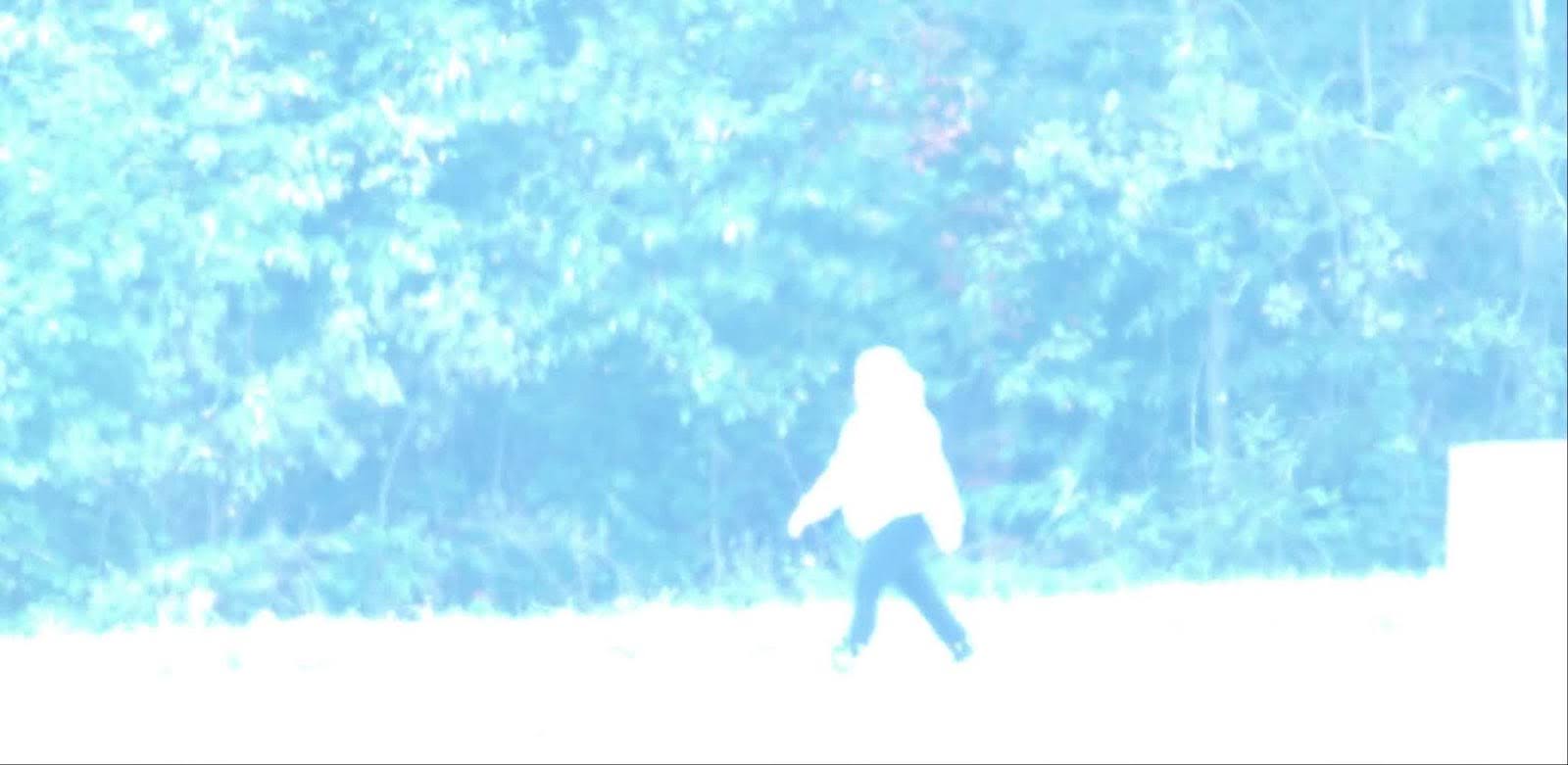
NRTK’s BrightnessPerturber simulates this risk by uniformly adjusting image brightness
to approximate extreme lighting conditions. While this does not model full radiometric
effects, it provides an efficient way to probe model sensitivity to illumination variations
during early-stage robustness screening.
|
|
Brightness Perturbation#
Simulates extreme illumination conditions by adjusting image brightness so you can test how well a model handles underexposed or overexposed imagery.
Use This When…#
You want to simulate extreme low light (dusk, dawn, shadows) or extreme bright light (midday sun, reflections).
You need a simple, fast perturbation that doesn’t require physics-based sensor modeling.
You’re performing early screening of robustness to illumination variations before running more intensive T&E analysis (see the full T&E Simulation Guide → BrightnessPerturber T&E guide).
You want to test model performance under reduced dynamic range and contrast.
Minimal Code Example#
from nrtk.impls.perturb_image.photometric.enhance import BrightnessPerturber

# Low brightness example
perturber = BrightnessPerturber(factor=0.15)  # very dark
perturbed_img, perturbed_boxes = perturber(image=img, boxes=boxes)

# High brightness example
perturber = BrightnessPerturber(factor=3.5)  # very bright
perturbed_img, perturbed_boxes = perturber(image=img, boxes=boxes)
Key Parameters#
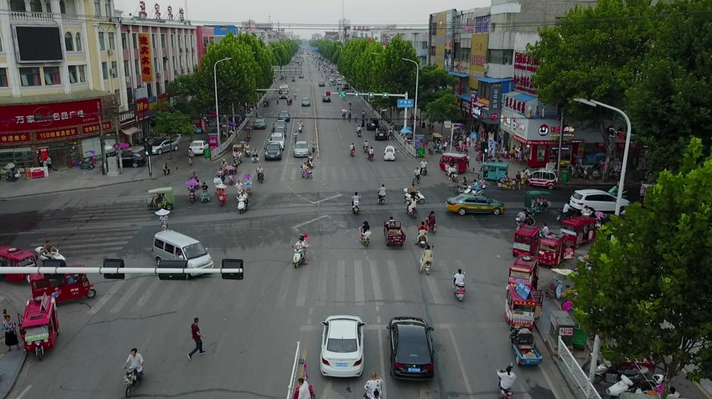
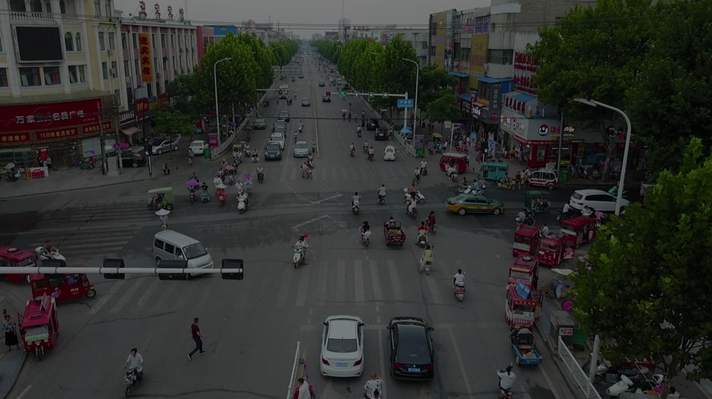
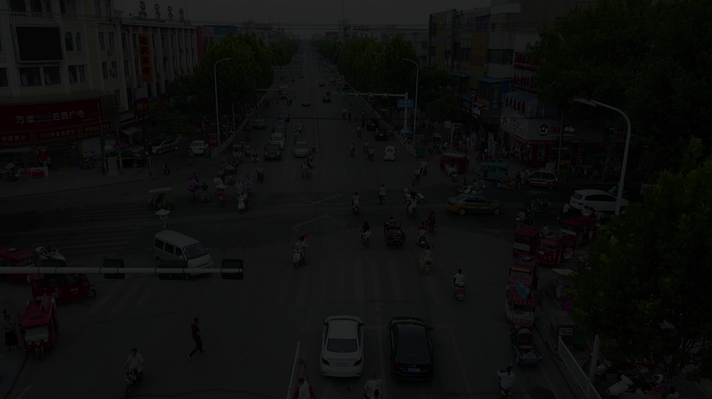
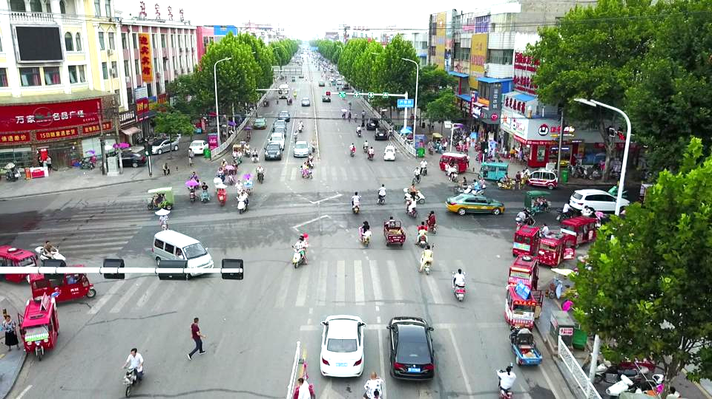
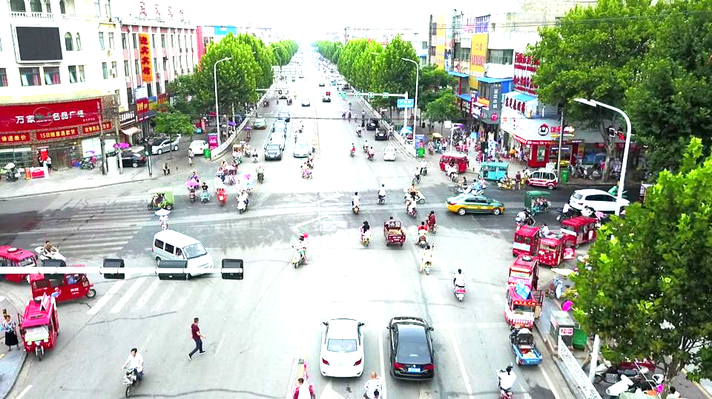
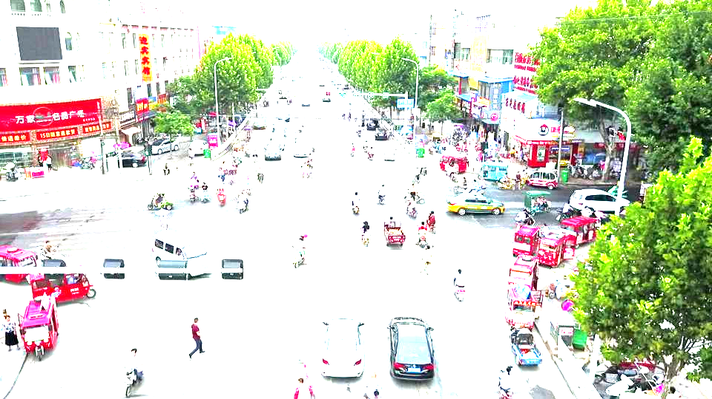
factor- Brightness enhancement factor (1.0 = original, <1.0 = darker, >1.0 = brighter).
Low Brightness (Underexposure):
Light (0.85)
Medium (0.5)
Heavy (0.15)
High Brightness (Overexposure):
Light (1.5)
Medium (2)
Heavy (3.5)
Limitations and Next Steps#
API Reference:
BrightnessPerturberApplies uniform brightness adjustment across the entire image; does not model spatially varying illumination, shadows, or glare. For more detailed analysis, validation details, datasets, and recommended parameter sweeps, see the BrightnessPerturber T&E guide.
See Validation and Trust for cross-perturber validation status.
Related Risks: Shadows, Night Mode